The Future of Cloud Computing for SMEs in 2026
Admin User | Jun 15, 2026 | 2 views
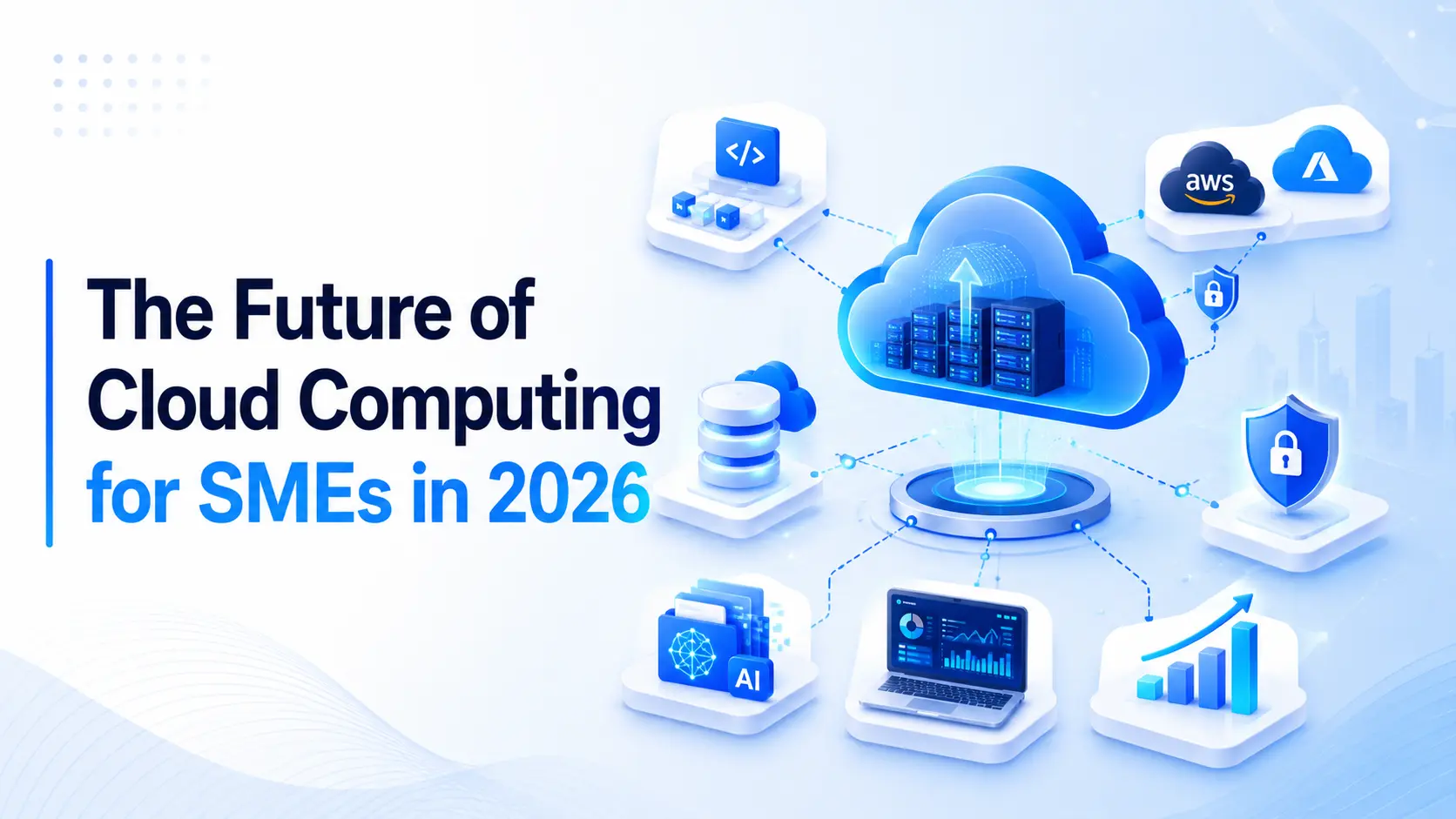
Cloud Computing Is Transforming SMEs
Cloud computing has become one of the most important technologies driving business growth and digital transformation. In 2026, small and medium-sized enterprises (SMEs) have access to powerful cloud infrastructure that was once only available to large corporations with extensive IT budgets.
Modern cloud platforms provide businesses with scalable resources, enhanced security, improved reliability, and flexible pricing models that allow organizations to grow without investing heavily in physical infrastructure.
As cloud technologies continue to evolve, SMEs are discovering new ways to reduce operational costs, increase efficiency, and remain competitive in an increasingly digital marketplace.
Democratizing Enterprise-Level Infrastructure
One of the biggest advantages of cloud computing is accessibility. Businesses no longer need to purchase expensive servers, maintain data centers, or hire large IT teams to manage infrastructure.
Cloud providers now offer enterprise-grade solutions that include high availability, automatic backups, disaster recovery, security monitoring, and global scalability.
This allows SMEs to focus on innovation and business growth instead of infrastructure management.
Serverless Computing: The Next Evolution
Serverless computing is rapidly becoming one of the most impactful cloud innovations for small and medium-sized businesses.
Unlike traditional hosting models, serverless platforms allow developers to deploy applications without managing servers directly. Businesses only pay for the computing resources they actually use.
This approach offers several advantages:
- Lower infrastructure costs
- Automatic scaling during traffic spikes
- Reduced server maintenance
- Faster application deployment
- Improved operational efficiency
For SMEs with fluctuating workloads, serverless computing provides significant cost savings while maintaining high performance.
Hybrid Multi-Cloud Strategies
Many businesses are moving beyond relying on a single cloud provider. Hybrid and multi-cloud strategies are becoming increasingly popular because they offer greater flexibility and resilience.
A hybrid cloud approach combines private and public cloud environments, while multi-cloud strategies involve using multiple cloud providers simultaneously.
Benefits include:
- Reduced vendor dependency
- Improved disaster recovery capabilities
- Enhanced performance optimization
- Better regulatory compliance options
- Increased business continuity
By distributing workloads across multiple environments, SMEs can minimize risks and improve reliability.
AI-Powered Cloud Storage
Artificial intelligence is changing how businesses manage and organize data in the cloud.
Modern cloud storage solutions now use AI technologies to automatically categorize, tag, and index files based on content and metadata.
These capabilities help businesses:
- Find information faster
- Improve document management
- Enhance collaboration
- Strengthen data governance
- Reduce administrative workloads
AI-driven storage solutions allow organizations to extract greater value from their data assets.
Improved Security and Compliance
Cybersecurity remains a top priority for businesses of all sizes. Cloud providers continue to invest heavily in security technologies to protect customer data.
Modern cloud platforms offer:
- Data encryption
- Identity and access management
- Threat detection systems
- Automated security monitoring
- Compliance management tools
These security capabilities help SMEs protect sensitive information without requiring dedicated cybersecurity teams.
Scalability Without Infrastructure Limitations
One of the most significant advantages of cloud computing is scalability. Businesses can quickly increase or decrease resources based on demand.
Whether launching a new product, running a marketing campaign, or expanding into new markets, cloud infrastructure allows organizations to adapt without purchasing additional hardware.
This flexibility helps SMEs remain agile and responsive to changing business conditions.
Cloud-Native Application Development
Cloud-native development practices are becoming increasingly important in 2026. Businesses are building applications specifically designed to take advantage of cloud environments.
Cloud-native applications typically offer:
- Faster deployment cycles
- Improved reliability
- Greater scalability
- Enhanced performance
- Easier maintenance
These benefits enable SMEs to innovate more quickly and deliver better digital experiences to customers.
Cost Optimization Through Cloud Automation
Cloud platforms now include advanced automation tools that help businesses manage resources more efficiently.
Automated systems can monitor usage patterns, identify underutilized resources, and optimize spending in real time.
This helps organizations avoid unnecessary costs while maintaining optimal performance.
How SMEs Can Prepare for the Future
Businesses looking to maximize the benefits of cloud computing should begin by evaluating their current infrastructure and identifying opportunities for modernization.
Important steps include:
- Migrating legacy systems to the cloud
- Exploring serverless technologies
- Implementing hybrid cloud strategies
- Strengthening cloud security practices
- Investing in cloud-native applications
Taking a proactive approach will help organizations remain competitive as cloud technologies continue to evolve.
Industries Benefiting from Modern Cloud Solutions
Cloud computing is creating new opportunities across multiple industries.
- E-commerce businesses improve scalability during peak demand.
- Healthcare providers enhance data accessibility and security.
- Financial institutions strengthen compliance and risk management.
- Educational organizations support remote learning environments.
- Technology startups accelerate product development and innovation.
The Future of Cloud Computing
The future of cloud computing is focused on greater automation, improved intelligence, and increased accessibility. Emerging technologies such as artificial intelligence, edge computing, and advanced analytics will continue to expand the capabilities of cloud platforms.
SMEs that embrace these innovations will be better positioned to reduce costs, improve efficiency, and scale their operations successfully.
Conclusion
Cloud computing is no longer just an option for small and medium-sized businesses—it has become a critical component of modern business strategy. From serverless computing and hybrid cloud infrastructure to AI-powered storage and advanced security capabilities, cloud technologies offer significant advantages for organizations seeking growth and efficiency.
By adopting modern cloud solutions, SMEs can access enterprise-level capabilities, reduce infrastructure costs, and build a foundation for long-term success in the digital economy.